Filed under: Creator Workflows
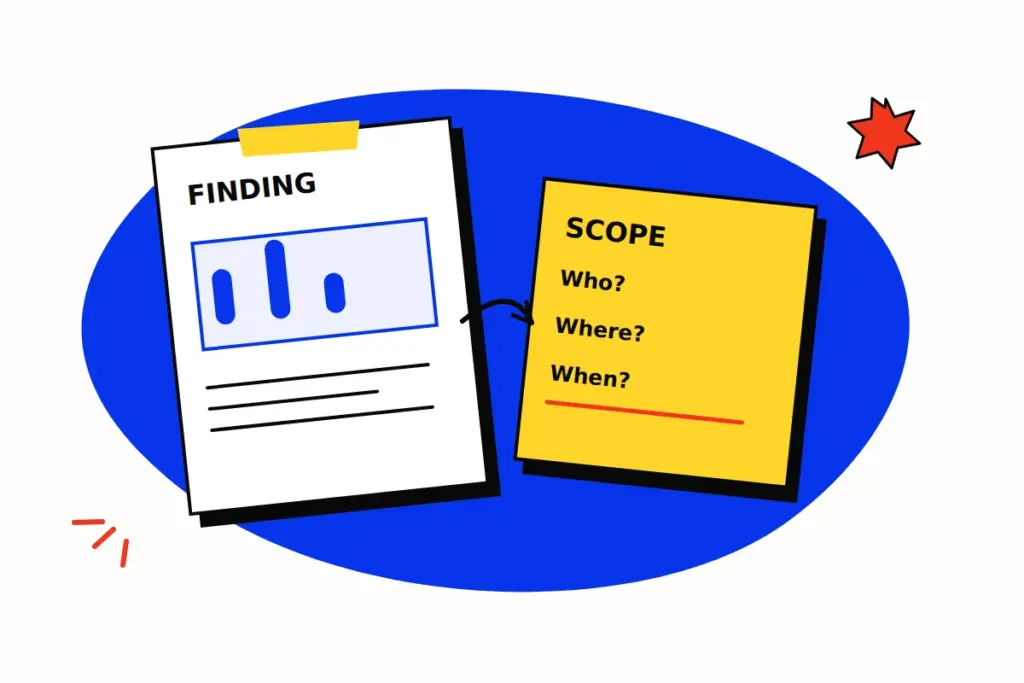
A creator report can reveal questions worth asking while leaving your next project’s practical requirements unresolved. Keep the study’s scope beside the finding, then ask the partner what applies to the work you are planning together.
Social Media Today’s November 10, 2026 coverage points to YouTube’s European creator consultation. YouTube’s November 9 introduction presents the consultation as an argument for supporting creator businesses. The accompanying Creative Capital report combines survey findings, creator accounts and policy proposals. Those parts play different roles when a team uses the document.
Retain the method beside the message
The report’s consultation note says Public First ran an anonymous online survey from June 1 to July 8, 2026, completed by 20,617 creators, alongside 20 individual interviews across the EU. Its broader account describes participation across all 27 EU member states.
That is the reported scope of this consultation. A large response count alone does not establish that the findings describe every creator, platform, country or kind of production. The published method note is also not the same as reviewing the full questionnaire and underlying responses.
Preserve the publisher, population, collection period and relevant question or subgroup when recording a finding. If a figure concerns only a subgroup, retain that denominator rather than presenting it as a finding about every respondent. Avoid converting a reported concern into an assumption about a particular partner’s circumstances.
Turn a theme into a project question
The report includes discussion of production resources and proposals for shared creator spaces. A proposal is not evidence that a particular studio or funding arrangement is available to your partner.
Hypothetical example: a team is planning a creator-led interview. Reading about production resources could prompt the producer to ask where recording is expected to happen and which facilities the agreed format requires. The creator’s answer, rather than the report’s overall theme, should inform the project plan.
The brief might then distinguish three entries:
- Context: an external consultation raises production-resource questions.
- Project requirement: the agreed interview needs a suitable recording location.
- Pending decision: the producer must confirm the proposed location, cost responsibility and availability.
Let the partner narrow the requirement
Discuss the practical conditions needed for the assignment. A creator may already have a workable setup, prefer another format or need a different kind of support. The consultation does not choose among those possibilities for them.
Record confirmed arrangements and unresolved dependencies separately, with an owner and a point by which each dependency must be resolved before the affected commitment. If the format or location changes, revisit the relevant production and approval decisions rather than leaving a general reference to “creator support” in the brief.
Keep the eventual report within its evidence
After delivery, the team can report what was agreed, supplied and completed. Establishing that a particular support arrangement improved the outcome would require a suitable comparison and evidence beyond the consultation and this project’s completion.
This is an independent planning example, not a finding from the consultation, a review of every response or advice about funding eligibility. Its value is a visible route from a research theme to a specific question that the actual partner can answer.